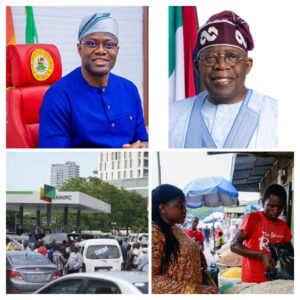
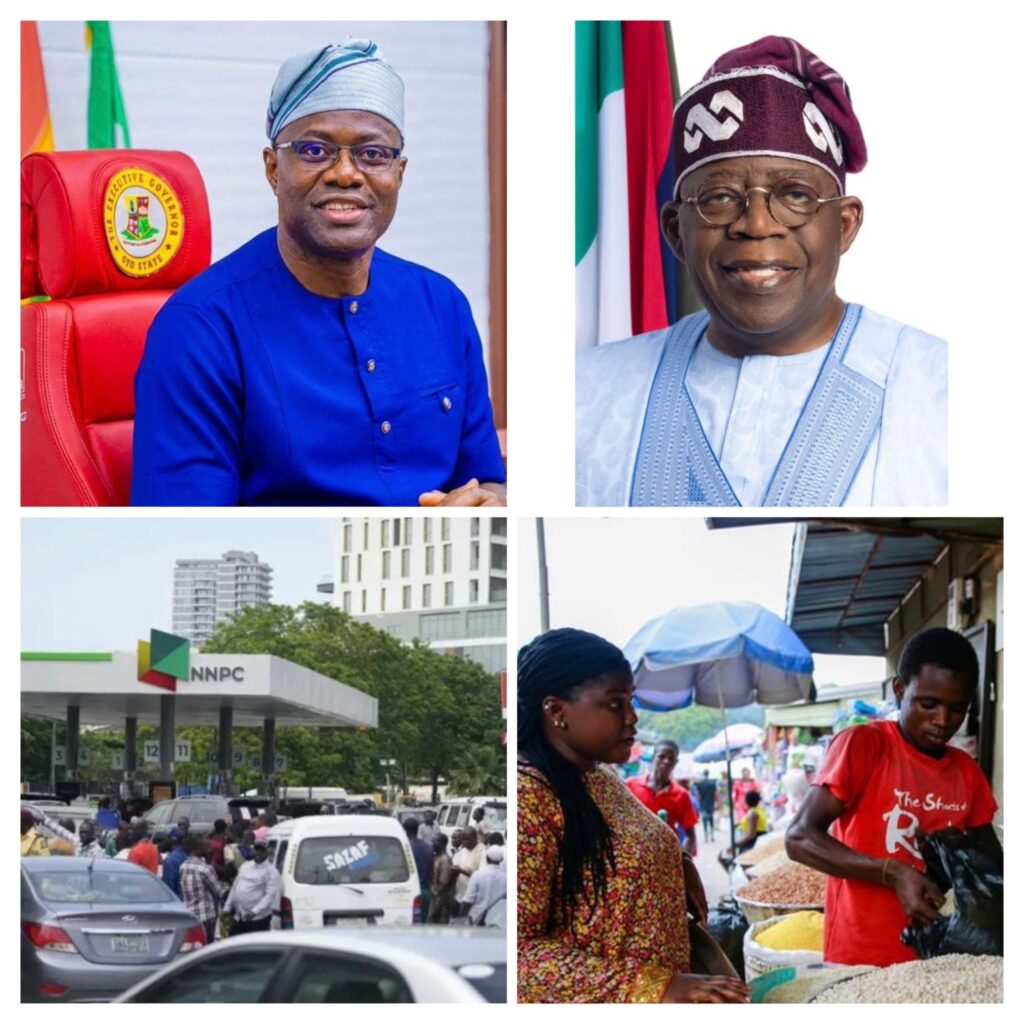
When President Bola Ahmed Tinubu and the All Progressives Congress (APC) took charge of Nigeria’s federal government in May 2023, Nigerians expected leadership capable of addressing the country’s economic challenges and improving living conditions.
The removal of the petrol subsidy and subsequent economic reforms were presented as necessary steps towards economic recovery. Nigerians were asked to endure difficult adjustments in anticipation of better outcomes.
But an important question remains: After years of economic reforms, how much easier has life become for the ordinary Nigerian? And with Nigerians still struggling under the weight of economic hardship, what justifies another request for their mandate?
Students still have to budget carefully for transportation and food. Parents face difficult decisions about household expenses. Graduates continue to seek employment opportunities, while many young Nigerians struggle to turn their qualifications and ambitions into sustainable livelihoods.
These are the realities against which the Tinubu administration’s policies must be examined, especially as the APC looks towards another electoral contest in 2027.
If the reforms are delivering the promised results, where is the measurable improvement in the daily lives of ordinary citizens? If government revenue has increased, what tangible benefits have reached Nigerian households? If the economy is recovering, how is that recovery translating into greater affordability, employment opportunities and economic security?
Economic statistics matter, but the economic experience of ordinary Nigerians matters too.
The Tinubu administration can point to its policy objectives and defend its reforms. However, Nigerians also have the right to examine the costs, question the outcomes and demand evidence of progress. After all, asking citizens to endure hardship must come with a responsibility to demonstrate that their sacrifices are yielding results.
The argument that Nigeria inherited economic challenges is relevant, but it cannot be the end of the conversation. Every administration must ultimately be judged
its own decisions, its implementation of policies and the results achieved during its time in office.
This is why the conversation about Nigeria’s future must be serious, open and focused on measurable outcomes.
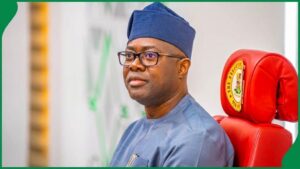
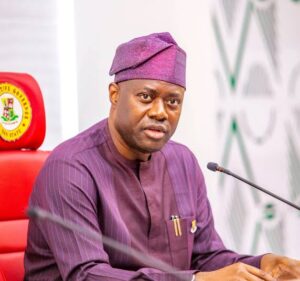
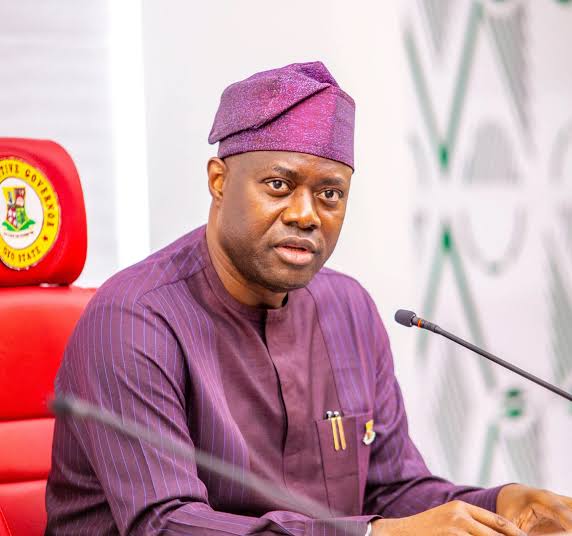
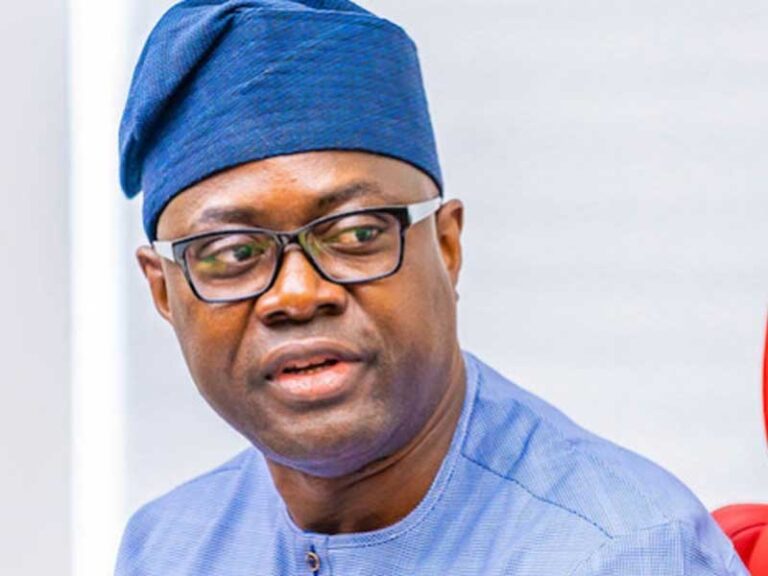
As the country approaches the 2027 general elections, Nigerians have an opportunity to examine the records and proposals of those seeking the presidency, including Governor Seyi Makinde.
What lessons can Nigeria draw from Oyo State’s experience? Which policies could be adapted to address national challenges? What practical plans do the presidential aspirants have for students, workers, entrepreneurs and struggling households?
These questions deserve detailed answers, not political slogans. They also demand that Nigerians look beyond party affiliations and examine the records, leadership experience and policy direction of those offering an alternative.
The 2027 conversation must be about accountability, economic opportunity, education, employment and the future of Nigerian youths. It must also be about whether the country should continue along its current path or seriously consider a different approach to national leadership.
President Tinubu and the APC should be prepared to explain their economic record to Nigerians and make a convincing case for another mandate. Equally, every alternative seeking public trust must demonstrate its own record, present credible proposals and explain how its plans would improve people’s lives.
In this regard, Governor Seyi Makinde’s experience in governing Oyo State deserves examination as Nigerians consider the leadership options available to them. His record, policies and approach to governance should form part of the national conversation about what a different direction for Nigeria could look like.
For Nigerian students, the stakes are particularly significant. Our education, opportunities and future livelihoods are affected
decisions made at the federal level. We therefore have every reason to demand transparency, scrutinise policies and participate actively in the national conversation.
Nigeria’s future should not be determined
party loyalty alone. It should be shaped
informed citizens who ask difficult questions, insist on evidence and carefully examine the alternatives before them.
Tinubu and the APC, Nigerians deserve answers. The youth deserve opportunities. And the future deserves a serious national conversation.
OMITUNTUN STUDENTS’ ARMY
RESET NIGERIA • RETHINK THE FUTURE